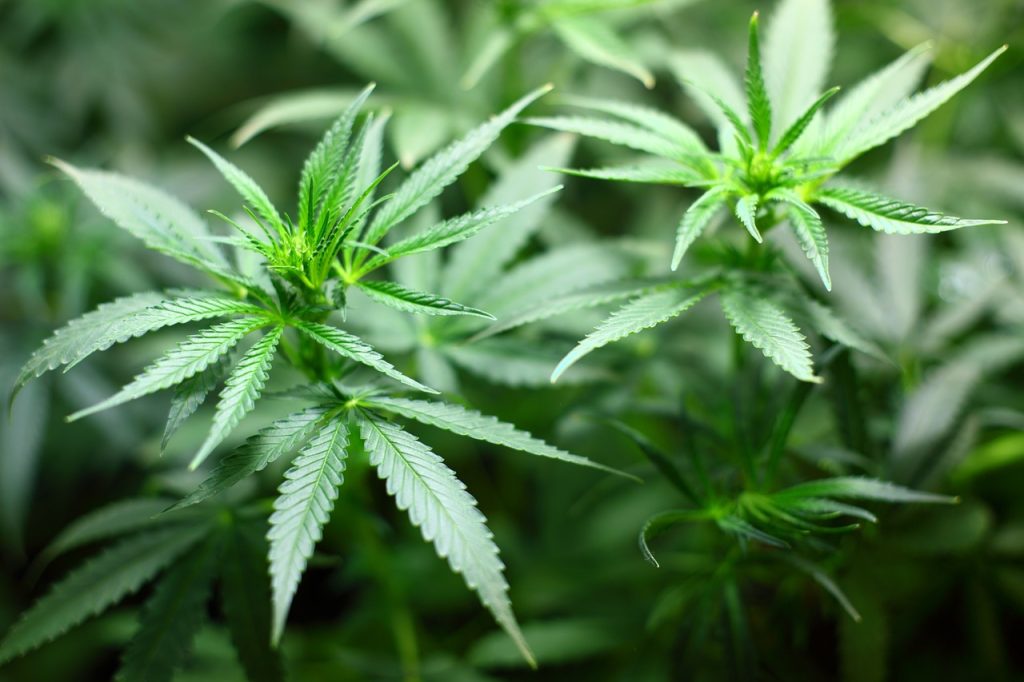
The Drug Enforcement Administration should loosen regulations on marijuana, which is still illegal at the federal level despite being legal in some form in more than 40 states, the Department of Health and Human Services has publicly recommended.
The action was taken 11 months after President Joe Biden requested that the leading healthcare organization investigate the medication. According to the recommendation, marijuana should be moved from Schedule I to Schedule III of the Controlled Substances Act.
Cannabis is classified as a Schedule I substance by the DEA, the same classification as heroin and LSD, which means it has a high potential for abuse and no recognized medical benefits.
According to an HHS representative, the agency “expeditiously” responded to the order by making its proposal to the DEA on Tuesday.
The IRS provision meant to prevent drug sellers from deducting business expenses from taxes would be removed if the DEA were to rescheduling cannabis to Schedule III.
That alone might save the marijuana sector at least $100 million, and according to small business owners who talked with NBC News, their largest financial burden is the inability to deduct what are usually typical business expenses.
All eyes are now focused on the DEA, which has the final say when it comes to scheduling narcotics, after HHS released its recommendation.
According to five sources familiar with the plans, the Biden administration was expecting to announce the drug’s rescheduling sometime in the fall, about a year after the president requested the review. The length of the DEA’s public review procedure is not yet known.
A request for comment from the DEA did not receive a prompt response.
When asked about the suggestion during a news conference on Wednesday, White House press secretary Karine Jean-Pierre stated that the review “is an independent process” that is headed by HHS and the Department of Justice. She also said that she would not comment about where Biden currently stands on the subject of decriminalizing marijuana at the federal level.
The response on Capitol Hill to the HHS recommendation has been mainly favorable. Senator Chuck Schumer, the majority leader in the Senate, commended HHS for acting “right” and asked the DEA to “quickly follow through on this significant move to greatly reduce the harm resulting from draconian marijuana laws.” “There is much more required to be done legislatively to put an end to the federal prohibition on cannabis & roll back the War on Drugs,” said Schumer, a Democrat from New York.
The federal government is now formally acknowledging cannabis’ medical benefits, according to proponents of marijuana legalization, who view this first move as significant in and of itself.
The Cannabis Industry Association stated on Wednesday that more should be done to bring federal law into line with states where marijuana is legal, even if the suggested reclassification would be historic. “Removing cannabis from the Controlled Substances Act and regulating the product in a manner similar to alcohol is the only way to fully resolve the myriad issues arising from the federal conflict with state law,” CEO Aaron Smith said in a statement.
Since surveys show that the majority of Americans support legalization, easing federal marijuana regulations is also a political issue that both parties seek to use as leverage before next year’s presidential election.
Reps. Matt Gaetz, Greg Steube, and Brian Mast, all Republicans from Florida, have openly advocated for the drug to be rescheduled & urged the Biden administration to give the endeavor top priority. Although Florida voters legalized medicinal marijuana usage last year, Florida Governor Ron DeSantis has stepped up his opposition to decriminalizing and legalizing marijuana on the campaign trail for the presidency this week. Currently, the Florida Supreme Court is debating whether a ballot measure legalizing marijuana will appear in 2024.
Separately, a bipartisan movement is proceeding in Congress to make it simpler for financial institutions to provide banking services to legitimate cannabis businesses.
The passage of the SAFE Banking Act, as it is known, will be a “top priority” when the Senate reconvenes in September, according to Schumer. However, a potential government shutdown could make that more difficult, despite the fact that the bill’s proponents have been working to resolve a deadlock regarding the August recess.