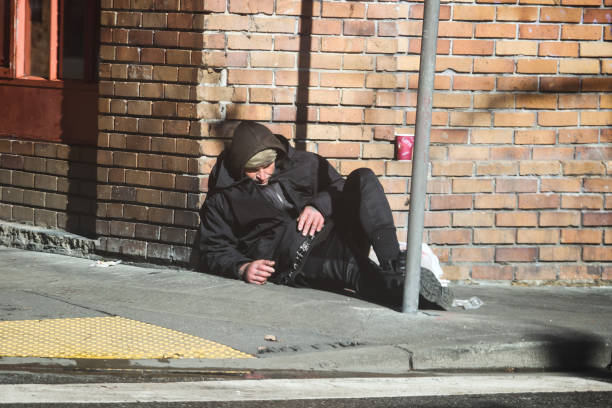
The White House is launching a nationwide initiative to reduce homelessness by 25% by early 2025 as the nation’s major cities grapple with a growing, stubborn crisis.
The Biden administration’s plan, which was announced Monday, proposes federal intervention for a problem that has been growing for years. Federal agencies will work with states and cities to target homeless shelters, expand housing and services and try to stop homelessness before it happens, according to the administration.
“Too many Americans live every day without safe or stable housing. Some are in emergency shelters. Others live on our streets, facing the threat of violence, inclement weather, disease and many other dangers exacerbated by homelessness,” said President Joe Biden. In a statement announcing the plan.
The plan builds on the March 2021 U.S. Rescue Plan, which provided tens of billions of dollars in rental aid to people struggling during the pandemic. Biden has also requested a more than $360 million increase in the Department of Housing and Urban Development’s homeless assistance spending for the 2023 fiscal year, the White House said.
The aim of the plan is to “maximise the use of existing resources” and “inform future budget requests across all agencies”, said Caroline Cournoyer, the council’s communications manager who created the plan.
It comes after New York, Los Angeles and Portland stepped up efforts to reduce homelessness. New York City Mayor Eric Adams has announced an unprecedented plan to hospitalize people with untreated mental illness.
How Will the Biden Administration’s Homeless Plan Work?
The Biden administration’s Interagency Council on Homelessness will send federal staff to target communities with acute needs and work with local leaders, including people who have experienced homelessness, to create solutions.
By working directly with cities, the federal government hopes to quickly mobilize federal resources and streamline the creation of housing and services such as health care and job training, a process that has faced administrative hurdles in the past.
“The United States can end homelessness by fixing public services and systems — not by blaming individuals and families left behind by failed policies and economic exclusion,” said Council Executive Director Jeff Olivet.
A personalized approach in each community means the solution to homelessness will not be one-size-fits-all, White House officials said, although they did not share a list of selected areas.
The administration said in a press release that an increase in local strategies in some U.S. cities that take homeless people off the streets criminalizes homelessness without offering solutions to the problem.
Biden is encouraging state and local governments to use “In All: The Federal Strategic Plan to Prevent and End Homelessness” as a model to create their own goals. The administration will hold webinars starting next month to help local leaders plan.
The Biden administration’s Interagency Council on Homelessness includes HUD and the U.S. Departments of Health and Human Services, Veterans Affairs, Education, Agriculture, Labor and 13 other federal agencies.
LA Declares Emergency, NYC Hospitalizes Mentally Ill Homeless
Los Angeles and New York, the two most populous U.S. cities, have the largest homeless populations by far, according to estimates from HUD’s 2021 Homelessness Assessment Report.
On her first day in office this month, Los Angeles Mayor Karen Bass declared a state of emergency about homelessness and said she plans to house more than 17,000 people in her first year.
In declaring the emergency, Bass said the different arms of government must come together to tackle homelessness and that the city “must have one strategy.”
In New York, Mayor Eric Adams announced last month that city officials can hospitalize homeless people experiencing severe untreated mental illness, even if they refuse treatment.
“The nature of their illness prevents them from realizing they need intervention and support. Without that intervention, they become lost and isolated from society, plagued by delusions and disorganized thinking. They cycle in and out of hospitals and prisons,” Adams said. A press conference last month.
“We don’t accept that someone who clearly needs help and walks past,” he said.
In Portland, Oregon, the city council approved $27 million last month to build designated camping areas for homeless people after the mayor announced plans to ban tent camping elsewhere in the city.